
Donors trust a charity when they can quickly check who you are, see that the payment is secure, understand where the money goes, and hear back afterwards. On a donation page, that means showing your registered charity number, using a verified payment checkout, being open about fees, sending a proper receipt, and reporting what the gift achieved. None of this needs a budget. It needs clarity and a little consistency. Here is what to put in place.
Why trust matters more online
In person, trust comes from a face and a conversation. Online, a first-time donor has seconds and a screen. They are asking three questions: Is this real? Is my card safe? Will my money be used well? If your page does not answer them, people close the tab, often without knowing why.
Show who you are
- Your registered charity number. In England and Wales, registered charities above a certain income must state their registered status on fundraising materials and websites; the Charity Commission’s guidance on GOV.UK explains the rules. Scotland (OSCR) and Northern Ireland have their own requirements. Show the number anyway. It is the first thing careful donors look for.
- Your real name and address. Match what is on the regulator’s register so people can check.
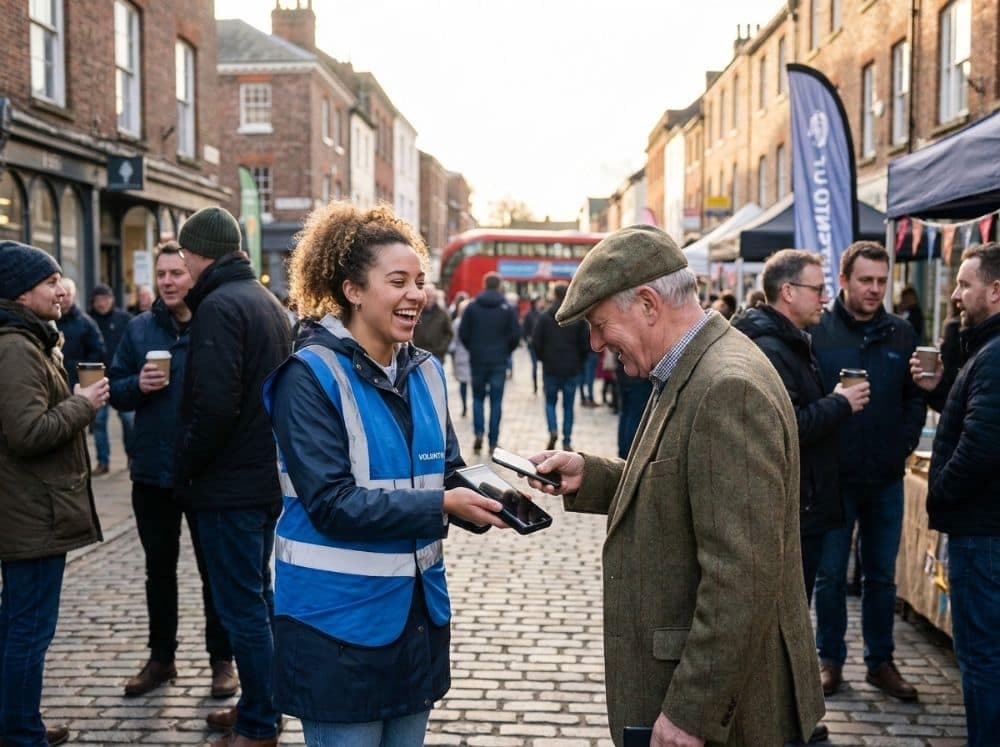
- Real people and real photos. A candid photo of your work beats a stock image. Natural light, no heavy filters.
- A link to your website. Let people leave to check you out and come back.
Kayana Aid verifies charities before they can take donations, and explains the checks in the help centre article How charities are checked. Linking to that page is a simple way to show a donor that someone has looked.
Make the payment feel safe
- A recognised checkout. Card details should be handled by PCI DSS compliant payment providers, not typed into a form your charity hosts. Kayana Aid uses established payment partners and never stores card numbers.
- A padlock and a sensible URL. Your page should be served over HTTPS on a domain that makes sense.
- No surprise charges. Donor tips, if offered, must be optional and easy to change or set to zero.
- Clear next step. Say what happens after the button: a receipt by email, and from whom.
Be honest about fees
Donors do not mind fees. They mind hidden ones. A short line such as “Card processing fees apply; see how they work” with a link does more for trust than silence. Kayana Aid lists every fee on the pricing page, and our guide Donation page fees explained helps you describe them simply.
Explain where the money goes
Tie each suggested amount to a real cost, and keep the maths honest. If a gift is unrestricted, say so plainly: “Your gift goes where it is needed most.” Avoid promises you cannot keep. “100% goes to the cause” is only true if someone else is covering your fees and overheads; if that is the case, say who.
Get Gift Aid right
A clear, correctly worded Gift Aid declaration shows you know what you are doing. Ask only for the details HMRC requires, explain why you need a home address, and confirm the donor pays enough UK tax. Our guide to Gift Aid declarations covers the exact wording.
Handle data with care
- Collect only what you need to process the gift and issue a receipt.
- Ask for marketing consent separately. Never pre-tick it.
- Link to a privacy notice that a normal person can read.
- Honour requests to be removed quickly, while keeping the Gift Aid records HMRC requires you to retain.
Donors notice when a form asks for too much.
Follow the Code of Fundraising Practice
The Fundraising Regulator’s Code of Fundraising Practice sets the standard for charitable fundraising in the UK. Registering with the Regulator and displaying the Fundraising Badge is a visible sign that you have signed up to those standards. It is not required for every small charity, but it is a strong trust signal if you do it.
Close the loop
Trust is built after the gift as much as before it:
- Receipt the same day. Automatic, accurate, with your charity name and number.
- A personal thank you. For larger gifts, a note from a real person.
- An update later. A photo and three sentences on what the money did.
- Easy management. Monthly donors should be able to change or cancel without emailing you.
People who hear back give again. People who hear nothing assume the worst.
A quick trust audit
Open your page on a phone and ask a friend who has never given to you to look at it for 20 seconds. Then ask them: Who is this? Is it safe? Where does the money go? If they cannot answer all three, fix the page before you promote it.
FAQ
Do I have to show my charity number on a donation page?
If you are a registered charity in England and Wales above the income threshold, you must state your registered status on fundraising materials. Check the Charity Commission guidance for your situation. Showing it is good practice regardless.
Is it safe to take card payments on a charity website?
Yes, if the card details are handled by a PCI DSS compliant payment provider rather than your own form. Use a hosted checkout.
Should I mention fees on the page?
A short line with a link is enough. Hiding fees costs more trust than stating them.
Does verification by the platform help?
It helps. Kayana Aid checks charities before they can collect, and you can link donors to the explanation.
Next step
Run the 20-second audit above this week. If you need a page that already includes verification, secure checkout, receipts, and Gift Aid, set one up and compare it with what you have.
Related reading
- Donation page fees explained
- Gift Aid declarations: what donor details you need
- How to set up a donation page
- Help centre: how charities are checked
- Kayana Aid pricing